Stotram Sangrah Vishnu Rishi Narayana (Rigveda) Purusha Sukta / पुरुष सूक्त

Purusha Suktam Lyrics in Sanskrit & English With Meaning | Rigveda 10.90

Read complete Purusha Suktam lyrics in Sanskrit with English transliteration, verse-by-verse Hindi भावार्थ and English meaning. The timeless 16-verse Rigvedic hymn celebrating the Cosmic Being (Purusha).
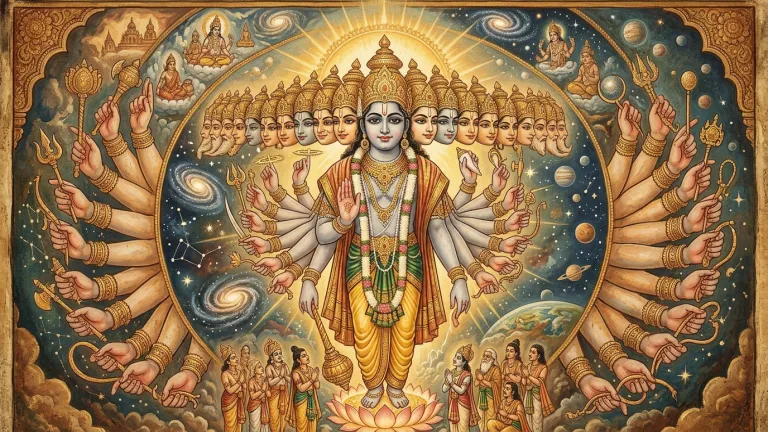
Purusha Suktam Lyrics in Sanskrit & English With Meaning | Rigveda 10.90
Text:
॥ पुरुष सूक्तम् ॥
सहस्रशीर्षा पुरुषः सहस्राक्षः सहस्रपात् । स भूमिं विश्वतो वृत्वात्यतिष्ठद्दशाङ्गुलम् ॥ १ ॥
पुरुष एवेदं सर्वं यद्भूतं यच्च भव्यम् । उतामृतत्वस्येशानो यदन्नेनातिरोहति ॥ २ ॥
एतावानस्य महिमातो ज्यायाँश्च पूरुषः । पादोऽस्य विश्वा भूतानि त्रिपादस्यामृतं दिवि ॥ ३ ॥
त्रिपादोर्ध्व उदैत्पुरुषः पादोऽस्येहाभवत्पुनः । ततो विष्वङ् व्यक्रामत्साशनानशने अभि ॥ ४ ॥
तस्माद्विराळजायत विराजो अधि पूरुषः । स जातो अत्यरिच्यत पश्चाद्भूमिमथो पुरः ॥ ५ ॥
यत्पुरुषेण हविषा देवा यज्ञमतन्वत् । वसन्तो अस्यासीदाज्यं ग्रीष्म इध्मः शरद्धविः ॥ ६ ॥
सप्तास्यासन् परिधयस्त्रिः सप्त समिधः कृताः । देवा यद्यज्ञं तन्वाना अबध्नन्पुरुषं पशुम् ॥ ७ ॥
तं यज्ञं बर्हिषि प्रौक्षन्पुरुषं जातमग्रतः । तेन देवा अयजन्त साध्या ऋषयश्च ये ॥ ८ ॥
तस्माद्यज्ञात्सर्वहुतः संभृतं पृषदाज्यम् । पशूँस्ताँश्चक्रे वायव्यानारण्यान् ग्राम्याश्च ये ॥ ९ ॥
तस्माद्यज्ञात्सर्वहुत ऋचः सामानि जज्ञिरे । छन्दांसि जज्ञिरे तस्माद्यजुस्तस्मादजायत ॥ १० ॥
तस्मादश्वा अजायन्त ये के चोभयादतः । गावो ह जज्ञिरे तस्मात्तस्माज्जाता अजावयः ॥ ११ ॥
यत्पुरुषं व्यदधुः कतिधा व्यकल्पयन् । मुखं किमस्य कौ बाहू कावूरू पादा उच्येते ॥ १२ ॥
ब्राह्मणोऽस्य मुखमासीद् बाहू राजन्यः कृतः । ऊरू तदस्य यद्वैश्यः पद्भ्यां शूद्रो अजायत ॥ १३ ॥
चन्द्रमा मनसो जातश्चक्षोः सूर्यो अजायत । मुखादिन्द्रश्चाग्निश्च प्राणाद्वायुरजायत ॥ १४ ॥
नाभ्या आसीदन्तरिक्षं शीर्ष्णो द्यौः समवर्तत । पद्भ्यां भूमिर्दिशः श्रोत्रात्तथा लोकाँ अकल्पयन् ॥ १५ ॥
यज्ञेन यज्ञमयजन्त देवास्तानि धर्माणि प्रथमान्यासन् । ते ह नाकं महिमानः सचन्त यत्र पूर्वे साध्याः सन्ति देवाः ॥ १६ ॥
sahasra-śīrṣā puruṣaḥ sahasrākṣaḥ sahasra-pāt | sa bhūmiṁ viśvato vṛtvāty-atiṣṭhad-daśāṅgulam || 1 ||
puruṣa evedaṁ sarvaṁ yad-bhūtaṁ yac-ca bhavyam | utāmṛtatvasyeśāno yad-annenātirohati || 2 ||
etāvān-asya mahimāto jyāyāṁś-ca pūruṣaḥ | pādo'sya viśvā bhūtāni tripād-asyāmṛtaṁ divi || 3 ||
tripād-ūrdhva udait-puruṣaḥ pādo'syehābhavat-punaḥ | tato viṣvaṅ vyakrāmat-sāśanānaśane abhi || 4 ||
tasmād-virāḷ-ajāyata virājo adhi pūruṣaḥ | sa jāto aty-aricyata paścād-bhūmim-atho puraḥ || 5 ||
yat-puruṣeṇa haviṣā devā yajñam-atanvata | vasanto asyāsīd-ājyaṁ grīṣma idhmaḥ śarad-dhaviḥ || 6 ||
saptāsyāsan paridhayas-triḥ sapta samidhaḥ kṛtāḥ | devā yad-yajñaṁ tanvānā abadhnan-puruṣaṁ paśum || 7 ||
taṁ yajñaṁ barhiṣi praukṣan puruṣaṁ jātam-agrataḥ | tena devā ayajanta sādhyā ṛṣayaś-ca ye || 8 ||
tasmād-yajñāt-sarvahutaḥ saṁbhṛtaṁ pṛṣad-ājyam | paśūṁs-tāṁś-cakre vāyavyān-āraṇyān grāmyāś-ca ye || 9 ||
tasmād-yajñāt-sarvahuta ṛcaḥ sāmāni jajñire | chandāṁsi jajñire tasmād-yajus-tasmād-ajāyata || 10 ||
tasmād-aśvā ajāyanta ye ke cobhayādataḥ | gāvo ha jajñire tasmāt-tasmāj-jātā ajāvayaḥ || 11 ||
yat-puruṣaṁ vyadadhuḥ katidhā vyakalpayan | mukhaṁ kim-asya kau bāhū kāv-ūrū pādā ucyete || 12 ||
brāhmaṇo'sya mukham-āsīd bāhū rājanyaḥ kṛtaḥ | ūrū tad-asya yad-vaiśyaḥ padbhyāṁ śūdro ajāyata || 13 ||
candramā manaso jātaś-cakṣoḥ sūryo ajāyata | mukhād-indraś-cāgniś-ca prāṇād-vāyur-ajāyata || 14 ||
nābhyā āsīd-antarikṣaṁ śīrṣṇo dyauḥ samavartata | padbhyāṁ bhūmir-diśaḥ śrotrāt-tathā lokāṁ akalpayan || 15 ||
yajñena yajñam-ayajanta devās-tāni dharmāṇi prathamāny-āsan | te ha nākaṁ mahimānaḥ sacanta yatra pūrve sādhyāḥ santi devāḥ || 16 ||
सहस्रशीर्षा पुरुषः सहस्राक्षः सहस्रपात् । स भूमिं विश्वतो वृत्वात्यतिष्ठद्दशाङ्गुलम् ॥ १ ॥
sahasra-śīrṣā puruṣaḥ sahasrākṣaḥ sahasra-pāt | sa bhūmiṁ viśvato vṛtvāty-atiṣṭhad-daśāṅgulam || 1 ||
पुरुष एवेदं सर्वं यद्भूतं यच्च भव्यम् । उतामृतत्वस्येशानो यदन्नेनातिरोहति ॥ २ ॥
puruṣa evedaṁ sarvaṁ yad-bhūtaṁ yac-ca bhavyam | utāmṛtatvasyeśāno yad-annenātirohati || 2 ||
एतावानस्य महिमातो ज्यायाँश्च पूरुषः । पादोऽस्य विश्वा भूतानि त्रिपादस्यामृतं दिवि ॥ ३ ॥
etāvān-asya mahimāto jyāyāṁś-ca pūruṣaḥ | pādo'sya viśvā bhūtāni tripād-asyāmṛtaṁ divi || 3 ||
त्रिपादोर्ध्व उदैत्पुरुषः पादोऽस्येहाभवत्पुनः । ततो विष्वङ् व्यक्रामत्साशनानशने अभि ॥ ४ ॥
tripād-ūrdhva udait-puruṣaḥ pādo'syehābhavat-punaḥ | tato viṣvaṅ vyakrāmat-sāśanānaśane abhi || 4 ||
तस्माद्विराळजायत विराजो अधि पूरुषः । स जातो अत्यरिच्यत पश्चाद्भूमिमथो पुरः ॥ ५ ॥
tasmād-virāḷ-ajāyata virājo adhi pūruṣaḥ | sa jāto aty-aricyata paścād-bhūmim-atho puraḥ || 5 ||
यत्पुरुषेण हविषा देवा यज्ञमतन्वत् । वसन्तो अस्यासीदाज्यं ग्रीष्म इध्मः शरद्धविः ॥ ६ ॥
yat-puruṣeṇa haviṣā devā yajñam-atanvata | vasanto asyāsīd-ājyaṁ grīṣma idhmaḥ śarad-dhaviḥ || 6 ||
सप्तास्यासन् परिधयस्त्रिः सप्त समिधः कृताः । देवा यद्यज्ञं तन्वाना अबध्नन्पुरुषं पशुम् ॥ ७ ॥
saptāsyāsan paridhayas-triḥ sapta samidhaḥ kṛtāḥ | devā yad-yajñaṁ tanvānā abadhnan-puruṣaṁ paśum || 7 ||
तं यज्ञं बर्हिषि प्रौक्षन्पुरुषं जातमग्रतः । तेन देवा अयजन्त साध्या ऋषयश्च ये ॥ ८ ॥
taṁ yajñaṁ barhiṣi praukṣan puruṣaṁ jātam-agrataḥ | tena devā ayajanta sādhyā ṛṣayaś-ca ye || 8 ||
तस्माद्यज्ञात्सर्वहुतः संभृतं पृषदाज्यम् । पशूँस्ताँश्चक्रे वायव्यानारण्यान् ग्राम्याश्च ये ॥ ९ ॥
tasmād-yajñāt-sarvahutaḥ saṁbhṛtaṁ pṛṣad-ājyam | paśūṁs-tāṁś-cakre vāyavyān-āraṇyān grāmyāś-ca ye || 9 ||
तस्माद्यज्ञात्सर्वहुत ऋचः सामानि जज्ञिरे । छन्दांसि जज्ञिरे तस्माद्यजुस्तस्मादजायत ॥ १० ॥
tasmād-yajñāt-sarvahuta ṛcaḥ sāmāni jajñire | chandāṁsi jajñire tasmād-yajus-tasmād-ajāyata || 10 ||
तस्मादश्वा अजायन्त ये के चोभयादतः । गावो ह जज्ञिरे तस्मात्तस्माज्जाता अजावयः ॥ ११ ॥
tasmād-aśvā ajāyanta ye ke cobhayādataḥ | gāvo ha jajñire tasmāt-tasmāj-jātā ajāvayaḥ || 11 ||
यत्पुरुषं व्यदधुः कतिधा व्यकल्पयन् । मुखं किमस्य कौ बाहू कावूरू पादा उच्येते ॥ १२ ॥
yat-puruṣaṁ vyadadhuḥ katidhā vyakalpayan | mukhaṁ kim-asya kau bāhū kāv-ūrū pādā ucyete || 12 ||
ब्राह्मणोऽस्य मुखमासीद् बाहू राजन्यः कृतः । ऊरू तदस्य यद्वैश्यः पद्भ्यां शूद्रो अजायत ॥ १३ ॥
brāhmaṇo'sya mukham-āsīd bāhū rājanyaḥ kṛtaḥ | ūrū tad-asya yad-vaiśyaḥ padbhyāṁ śūdro ajāyata || 13 ||
चन्द्रमा मनसो जातश्चक्षोः सूर्यो अजायत । मुखादिन्द्रश्चाग्निश्च प्राणाद्वायुरजायत ॥ १४ ॥
candramā manaso jātaś-cakṣoḥ sūryo ajāyata | mukhād-indraś-cāgniś-ca prāṇād-vāyur-ajāyata || 14 ||
नाभ्या आसीदन्तरिक्षं शीर्ष्णो द्यौः समवर्तत । पद्भ्यां भूमिर्दिशः श्रोत्रात्तथा लोकाँ अकल्पयन् ॥ १५ ॥
nābhyā āsīd-antarikṣaṁ śīrṣṇo dyauḥ samavartata | padbhyāṁ bhūmir-diśaḥ śrotrāt-tathā lokāṁ akalpayan || 15 ||
यज्ञेन यज्ञमयजन्त देवास्तानि धर्माणि प्रथमान्यासन् । ते ह नाकं महिमानः सचन्त यत्र पूर्वे साध्याः सन्ति देवाः ॥ १६ ॥
yajñena yajñam-ayajanta devās-tāni dharmāṇi prathamāny-āsan | te ha nākaṁ mahimānaḥ sacanta yatra pūrve sādhyāḥ santi devāḥ || 16 ||
सहस्रशीर्षा पुरुषः सहस्राक्षः सहस्रपात् । स भूमिं विश्वतो वृत्वात्यतिष्ठद्दशाङ्गुलम् ॥ १ ॥
sahasra-śīrṣā puruṣaḥ sahasrākṣaḥ sahasra-pāt | sa bhūmiṁ viśvato vṛtvāty-atiṣṭhad-daśāṅgulam || 1 ||
भावार्थ: उस विराट परम पुरुष के सहस्रों (अनंत) सिर, सहस्रों नेत्र और सहस्रों चरण हैं। वह इस संपूर्ण ब्रह्मांड और पृथ्वी को सब ओर से व्याप्त करके दस अंगुल परिमाण ऊपर (अर्थात् संपूर्ण सृष्टि से परे और अतीत) स्थित है।
Meaning: The Supreme Cosmic Being possesses thousands of heads, thousands of eyes, and thousands of feet. Enveloping the entire universe on all sides, He transcends it by ten fingers' breadth (remaining beyond all manifestations).
पुरुष एवेदं सर्वं यद्भूतं यच्च भव्यम् । उतामृतत्वस्येशानो यदन्नेनातिरोहति ॥ २ ॥
puruṣa evedaṁ sarvaṁ yad-bhūtaṁ yac-ca bhavyam | utāmṛtatvasyeśāno yad-annenātirohati || 2 ||
भावार्थ: जो कुछ भूतकाल में घटित हुआ और जो भविष्य में होगा, वह सब कुछ केवल यह परम पुरुष ही है। वह अमृतत्व (अमरता और मोक्ष) का स्वामी है और अन्न (भौतिक प्रपंच) द्वारा जो कुछ भी विकसित होता है, उसका भी वही अधिपति है।
Meaning: The Purusha alone is all this universe—whatever has been in the past and whatever will be in the future. He is the Lord of immortality and the sovereign ruler over all that grows by sustenance.
एतावानस्य महिमातो ज्यायाँश्च पूरुषः । पादोऽस्य विश्वा भूतानि त्रिपादस्यामृतं दिवि ॥ ३ ॥
etāvān-asya mahimāto jyāyāṁś-ca pūruṣaḥ | pādo'sya viśvā bhūtāni tripād-asyāmṛtaṁ divi || 3 ||
भावार्थ: इस व्यक्त जगत में दिखने वाली समस्त सृष्टि उस परम पुरुष की केवल एक अंश मात्र महिमा है; वास्तव में वह इससे कहीं अधिक महान और विराट है। संपूर्ण चर-अचर जीव उसका केवल एक पाद (चौथाई भाग) हैं, और उसका त्रिपाद (तीन चौथाई भाग) अविनाशी अमृत रूप में परम धाम (दिव्य लोक) में स्थित है।
Meaning: Such is His divine grandeur, yet the Cosmic Purusha is greater still. All beings in the universe constitute only one quarter of Him; His immortal three quarters abide eternally in the celestial realm.
त्रिपादोर्ध्व उदैत्पुरुषः पादोऽस्येहाभवत्पुनः । ततो विष्वङ् व्यक्रामत्साशनानशने अभि ॥ ४ ॥
tripād-ūrdhva udait-puruṣaḥ pādo'syehābhavat-punaḥ | tato viṣvaṅ vyakrāmat-sāśanānaśane abhi || 4 ||
भावार्थ: वह त्रिपाद पुरुष ऊपर दिव्य लोक में ऊपर की ओर ही स्थित रहा, जबकि उसका एक पाद पुनः-पुनः इस संसार में प्रकट हुआ। तत्पश्चात् उसने चेतना संपन्न सचेतन (भोजन करने वाले जीव) और अचेतन (भोजन न करने वाले जड़ प्रपंच) दोनों में सर्वत्र विस्तार किया।
Meaning: With His three quarters the Purusha ascended above, while one fourth manifested again and again in this worldly plane. Thence He spread omnipresently across all that eats and does not eat (animate and inanimate creation).
तस्माद्विराळजायत विराजो अधि पूरुषः । स जातो अत्यरिच्यत पश्चाद्भूमिमथो पुरः ॥ ५ ॥
tasmād-virāḷ-ajāyata virājo adhi pūruṣaḥ | sa jāto aty-aricyata paścād-bhūmim-atho puraḥ || 5 ||
भावार्थ: उस मूल पुरुष से विराट (ब्रह्मांडीय प्रकृति) उत्पन्न हुई, और उस विराट से पुनः विराट पुरुष (सृजनकर्ता चेतना) प्रकट हुआ। उत्पन्न होकर उसने स्वयं को आगे और पीछे, भूमि एवं समस्त दिशाओं से परे विस्तृत किया।
Meaning: From Him was born the cosmic sphere (Viraj), and from Viraj arose the cosmic Purusha. Being born, He extended beyond the earth, both behind and before.
यत्पुरुषेण हविषा देवा यज्ञमतन्वत् । वसन्तो अस्यासीदाज्यं ग्रीष्म इध्मः शरद्धविः ॥ ६ ॥
yat-puruṣeṇa haviṣā devā yajñam-atanvata | vasanto asyāsīd-ājyaṁ grīṣma idhmaḥ śarad-dhaviḥ || 6 ||
भावार्थ: जब देवों ने उस परम पुरुष रूपी हविष्य के द्वारा मानस यज्ञ का विस्तार किया, तब उस दिव्य यज्ञ में वसंत ऋतु घृत (घी), ग्रीष्म ऋतु समिधा (ईंधन) और शरद ऋतु हवि (आहुति द्रव्य) बनी।
Meaning: When the divine powers performed the cosmic sacrifice with the Purusha as the oblation, Spring became its clarified butter, Summer the sacred firewood, and Autumn the consecrated offering.
सप्तास्यासन् परिधयस्त्रिः सप्त समिधः कृताः । देवा यद्यज्ञं तन्वाना अबध्नन्पुरुषं पशुम् ॥ ७ ॥
saptāsyāsan paridhayas-triḥ sapta samidhaḥ kṛtāḥ | devā yad-yajñaṁ tanvānā abadhnan-puruṣaṁ paśum || 7 ||
भावार्थ: उस यज्ञ की सात परिधियाँ (सीमाएँ) थीं और इक्कीस (तीन गुना सात) समिधाएं तैयार की गईं। जब देवताओं ने इस यज्ञ का अनुष्ठान किया, तब उन्होंने परम पुरुष को ही यज्ञिय पशु (समर्पण रूप) के रूप में प्रतिष्ठित किया।
Meaning: Seven were its enclosing boundaries and thrice-seven the sacred fuel sticks prepared, when the Devas, performing the cosmic sacrifice, consecrated the Purusha as the divine offering.
तं यज्ञं बर्हिषि प्रौक्षन्पुरुषं जातमग्रतः । तेन देवा अयजन्त साध्या ऋषयश्च ये ॥ ८ ॥
taṁ yajñaṁ barhiṣi praukṣan puruṣaṁ jātam-agrataḥ | tena devā ayajanta sādhyā ṛṣayaś-ca ye || 8 ||
भावार्थ: उस सर्वोपरि पहले प्रकट हुए पुरुष रूपी यज्ञीय स्वरूप का उन्होंने कुशा के आसन (बर्हि) पर पवित्र जल से अभिषेक किया। उसके द्वारा देवताओं, साध्य गणों और तपस्वी ऋषियों ने परम यज्ञ संपन्न किया।
Meaning: Upon the sacred kusha grass they sprinkled the Purusha, born at the very beginning. With Him as the offering, the Devas, the Sadhyas (celestial beings), and the illumined Rishis performed the primordial sacrifice.
तस्माद्यज्ञात्सर्वहुतः संभृतं पृषदाज्यम् । पशूँस्ताँश्चक्रे वायव्यानारण्यान् ग्राम्याश्च ये ॥ ९ ॥
tasmād-yajñāt-sarvahutaḥ saṁbhṛtaṁ pṛṣad-ājyam | paśūṁs-tāṁś-cakre vāyavyān-āraṇyān grāmyāś-ca ye || 9 ||
भावार्थ: उस सर्वहुत (जिसमें सब कुछ समर्पित हो गया) महायज्ञ से दधि-मिश्रित घृत (पृषदाज्य) उत्पन्न हुआ। उसी से वायु में विचरण करने वाले पक्षी तथा वन में रहने वाले वन्य जीव और ग्राम्य (पालतू) पशु उत्पन्न हुए।
Meaning: From that universal sacrifice, in which all was offered, was gathered the curd and clarified butter. From it were formed the creatures of the air, the wild beasts of the forest, and the domestic animals of the villages.
तस्माद्यज्ञात्सर्वहुत ऋचः सामानि जज्ञिरे । छन्दांसि जज्ञिरे तस्माद्यजुस्तस्मादजायत ॥ १० ॥
tasmād-yajñāt-sarvahuta ṛcaḥ sāmāni jajñire | chandāṁsi jajñire tasmād-yajus-tasmād-ajāyata || 10 ||
भावार्थ: उस सर्वहुत यज्ञ से ऋग्वेद की ऋचाएं और सामवेद के साम (गान) प्रकट हुए। उसी से समस्त वैदिक छंद उत्पन्न हुए और उसी महायज्ञ से यजुर्वेद का प्राकट्य हुआ।
Meaning: From that supreme sacrifice were born the Rigvedic hymns and the melodies of the Samaveda. From it the sacred Vedic metres arose, and from it the Yajurveda was generated.
तस्मादश्वा अजायन्त ये के चोभयादतः । गावो ह जज्ञिरे तस्मात्तस्माज्जाता अजावयः ॥ ११ ॥
tasmād-aśvā ajāyanta ye ke cobhayādataḥ | gāvo ha jajñire tasmāt-tasmāj-jātā ajāvayaḥ || 11 ||
भावार्थ: उसी यज्ञ से घोड़े और दोनों ओर दांतों वाले अन्य पशु उत्पन्न हुए। उसी से गायों का प्राकट्य हुआ और उसी से बकरियां तथा भेड़ें उत्पन्न हुईं।
Meaning: From that sacrifice were born horses and all animals with teeth in both jaws. From it the cattle were born, and from it were produced goats and sheep.
यत्पुरुषं व्यदधुः कतिधा व्यकल्पयन् । मुखं किमस्य कौ बाहू कावूरू पादा उच्येते ॥ १२ ॥
yat-puruṣaṁ vyadadhuḥ katidhā vyakalpayan | mukhaṁ kim-asya kau bāhū kāv-ūrū pādā ucyete || 12 ||
भावार्थ: जब ज्ञानी जनों ने उस विराट पुरुष का ध्यानपूर्वक संकल्प किया, तो उसे कितने रूपों में कल्पित किया? उसका मुख क्या था? उसकी दोनों भुजाएं, जंघाएं और दोनों पैर क्या कहलाए?
Meaning: When the wise contemplated and structured the manifestation of the Cosmic Purusha, into how many parts did they conceive Him? What was His mouth? What were His arms, His thighs, and His feet called?
ब्राह्मणोऽस्य मुखमासीद् बाहू राजन्यः कृतः । ऊरू तदस्य यद्वैश्यः पद्भ्यां शूद्रो अजायत ॥ १३ ॥
brāhmaṇo'sya mukham-āsīd bāhū rājanyaḥ kṛtaḥ | ūrū tad-asya yad-vaiśyaḥ padbhyāṁ śūdro ajāyata || 13 ||
भावार्थ: उस विराट पुरुष का मुख ब्राह्मण (ज्ञान और वाणी का प्रतीक) बना, उसकी भुजाएं राजन्य (क्षत्रिय - रक्षा और बल के प्रतीक) हुईं। उसकी जंघाएं वैश्य (व्यापार और भरण-पोषण के प्रतीक) बनीं और उसके चरणों से सेवाभावी शूद्र उत्पन्न हुए।
Meaning: The Brahmana (custodians of wisdom and spiritual voice) was His mouth; the Rajanya/Kshatriya (protectors of dharma) became His arms. His thighs were the Vaishya (providers of sustenance and commerce), and from His feet the Shudra (the foundation of devoted service) was born.
चन्द्रमा मनसो जातश्चक्षोः सूर्यो अजायत । मुखादिन्द्रश्चाग्निश्च प्राणाद्वायुरजायत ॥ १४ ॥
candramā manaso jātaś-cakṣoḥ sūryo ajāyata | mukhād-indraś-cāgniś-ca prāṇād-vāyur-ajāyata || 14 ||
भावार्थ: उस विराट पुरुष के मन से चंद्रमा का जन्म हुआ और उसके नेत्रों से सूर्य प्रकट हुआ। उसके मुख से इंद्र और अग्नि देव उत्पन्न हुए तथा उसके प्राण से वायु देव का प्राकट्य हुआ।
Meaning: The Moon was born from His mind, and the Sun was born from His eyes. From His mouth came Indra and Agni (Fire), and from His vital breath (Prana) Vayu (the Wind) was born.
नाभ्या आसीदन्तरिक्षं शीर्ष्णो द्यौः समवर्तत । पद्भ्यां भूमिर्दिशः श्रोत्रात्तथा लोकाँ अकल्पयन् ॥ १५ ॥
nābhyā āsīd-antarikṣaṁ śīrṣṇo dyauḥ samavartata | padbhyāṁ bhūmir-diśaḥ śrotrāt-tathā lokāṁ akalpayan || 15 ||
भावार्थ: उसकी नाभि से अंतरिक्ष लोक उत्पन्न हुआ, उसके सिर से द्युलोक (स्वर्ग) प्रकट हुआ, उसके चरणों से पृथ्वी और उसके कानों से समस्त दिशाएं प्रकट हुईं। इस प्रकार ऋषियों ने समस्त लोकों की संरचना की।
Meaning: From His navel arose the intermediate space (antariksha), from His head the heavens evolved, from His feet the earth, and from His ears the cardinal directions. Thus did the divine seers configure the worlds.
यज्ञेन यज्ञमयजन्त देवास्तानि धर्माणि प्रथमान्यासन् । ते ह नाकं महिमानः सचन्त यत्र पूर्वे साध्याः सन्ति देवाः ॥ १६ ॥
yajñena yajñam-ayajanta devās-tāni dharmāṇi prathamāny-āsan | te ha nākaṁ mahimānaḥ sacanta yatra pūrve sādhyāḥ santi devāḥ || 16 ||
भावार्थ: देवताओं ने यज्ञ के द्वारा ही परम यज्ञ स्वरूप भगवान का पूजन किया। वे धर्म के प्रथम सनातन नियम और विधान बने। वे महिमामयी पुण्यात्मा जन उस परम स्वर्ग लोक को प्राप्त होते हैं, जहाँ पुरातन साध्य देवगण निवास करते हैं।
Meaning: With the cosmic sacrifice the Devas worshipped the Divine Source of all sacrifice. These became the primary laws of Dharma. Those exalted spiritual souls attain the highest celestial realm, where the ancient Sadhyas and Devas eternally reside.

About Purusha Suktam (पुरुष सूक्त परिचय)

The Purusha Suktam (पुरुष सूक्तम्) is among the most profound and universally revered suktas of the Rigveda (Mandala 10, Sukta 90). Composed by the Vedic seer Rishi Narayana, this sacred 16-verse hymn provides a grand metaphysical vision of the universe as the living body of the Supreme Cosmic Being (Maha Vishnu / Purusha). It is also found with minor accentual nuances in the Shukla Yajurveda (Vajasaneyi Samhita, Chapter 31), the Taittiriya Aranyaka, and the Atharvaveda.

In Vedic philosophy, the Purusha is not merely an anthropomorphic deity, but the all-pervading divine consciousness that animates every atom of existence. The hymn poetically delineates the cosmic sacrifice (Yajna) through which the unmanifest Absolute manifests into the multi-layered cosmos—bringing forth the celestial bodies, the seasons, the four Vedas, living creatures, and the organic organs of human society.

On this page, devotees and seekers will find the complete 16 original Sanskrit mantras in clean Devanagari script, authentic Roman/English transliteration (IAST), verse-by-verse Hindi भावार्थ, and English philosophical meaning, along with traditional recitation guidelines, spiritual significance, and common questions.

Spiritual Significance of Purusha Suktam

According to sacred devotional tradition, the recitation of Purusha Suktam holds a central position in all major Vedic ceremonies, temple consecrations (Kumbhabhishekam), and daily deity worship (Panchamrita Abhishekam) of Lord Vishnu, Lord Shiva, and Devi:

Cosmic Unity & Non-Duality

The hymn establishes that all creation—sun, moon, earth, oceans, and living beings—emanates from a single divine source. Contemplating it dissolves feelings of alienation, prejudice, and ego.

Purification of Mind & Karma

Devotional texts mention that sincere chanting of these 16 mantras purifies subtle thought patterns, instills inner peace, and helps align personal intentions with universal Dharma.

Foundation of Vedic Yajna

Purusha Suktam reveals that self-giving (sacrifice in the spirit of Yajna) is the primary law of existence. Daily work done as an offering to God transforms ordinary action into worship.

Temple Abhishekam Standard

In all traditional Vaishnava and Smarta shrines—such as Tirumala Venkateswara and Badrinath—Purusha Suktam is recited during the ceremonial bathing of the deity with milk, honey, and sanctified water.

When to Recite Purusha Suktam

  • Brahma Muhurta & Morning Puja: Reciting between 4:30 AM and 6:30 AM during morning prayers sets a tranquil and spiritually vibrant tone for the entire day.
  • Ekadashi Observance: On Shukla and Krishna Ekadashis, reciting Purusha Suktam alongside the Vishnu Sahasranama is considered deeply auspicious.
  • Thursday (Guruwar) Worship: Dedicated to Lord Vishnu and spiritual preceptors, Thursdays are traditional days for chanting Vishnu suktas.
  • Special Samskaras & Griha Pravesh: During home consecrations, marriage rituals, and ancestral Tarpanam, priests chant Purusha Suktam to invoke universal peace and divine harmony.

How to Recite Purusha Suktam (पाठ विधि)

  1. Cleanliness & Posture: Take a morning bath, put on clean natural-fiber clothing, and sit comfortably facing East or North on a clean woollen or kusha mat (asana).
  2. Lamp & Incense: Light an oil or pure ghee diya (lamp) and fresh incense in front of an image of Lord Vishnu, Krishna, or the Shaligram Shila.
  3. Achamana & Sankalpa: Perform simple purification with three sips of water (Achamana) chanting Om Keshavaya Namah, Om Narayanaya Namah, Om Madhavaya Namah. State your heartfelt intention for peace and universal welfare.
  4. Dhyana (Mental Contemplation): Visualize Lord Vishnu in His cosmic Vishwaroopa form—radiating with divine light, embracing the universe with love, holding the conch, discus, mace, and lotus.
  5. Steady Recitation: Chant the 16 verses with clear pronunciation, devotion, and steady breath. Beginners may listen to audio or read the Roman transliteration alongside Devanagari.
  6. Dedication: Conclude by offering water, flowers, or a simple fruit offering with the prayer: "Kayena Vacha Manasendriyairva... Narayanayeti Samarpayami" (Whatever is done is dedicated to Lord Narayana).

Frequently Asked Questions (FAQ)

What is the Purusha Suktam?

The Purusha Suktam is a renowned 16-verse hymn found in the 10th Mandala (Sukta 90) of the Rigveda. It describes the Supreme Cosmic Being (Purusha), the source and foundation of the manifest universe, and the cosmic process through which creation took shape.

Who composed the Purusha Suktam?

The seer (Rishi) associated with the Purusha Suktam is Rishi Narayana, and the presiding deity (Devata) is the Supreme Cosmic Purusha (Maha Vishnu). The primary poetic metre is Anushtup for the first fifteen verses and Trishtubh for the sixteenth verse.

Can beginners recite the Purusha Suktam every day?

Yes. Devotees of all backgrounds can recite the Purusha Suktam daily with pure devotion. Beginners can read the phonetic English transliteration and listen to traditional chants until they are comfortable with Sanskrit pronunciation.

What is the metaphorical meaning of verse 13 regarding the four varnas?

Vedic scholars explain that Verse 13 is a sublime metaphor presenting human society as an organic living body of God. The head represents knowledge (Brahmana), the arms represent protection (Kshatriya), the thighs represent economic sustenance (Vaishya), and the feet represent devoted service (Shudra). Just as no human body can stand without feet, every organ is divine, interdependent, and essential to the whole.

How long does it take to chant the complete Purusha Suktam?

Reciting the full 16 verses takes approximately 5 to 8 minutes at a measured, meditative pace.

Which prayer is traditionally chanted alongside Purusha Suktam?

In traditional temple worship, the Purusha Suktam is frequently recited alongside the Sri Suktam (dedicated to Goddess Lakshmi) and the Narayana Suktam to complete the contemplation of the Divine Pair (Lakshmi-Narayana).